PLG ACTIVATION
The PLG Activation Guide. Data-backed, builder-ready.
Most products lose 70% of signups before they experience value. This guide covers what activation actually means, where users drop off, and what the evidence says works. For B2B SaaS and B2C builders.

By Paulina Spaccarotella - ex-founder, Lovable ambassador, and product advisor helping startups grow through product-led strategies.
70% of your signups will never experience what your product actually does.
No pricing strategy, no marketing campaign, no feature launch will fix that. Activation is the highest-leverage problem in product-led growth. And most founders aren't measuring it.
62.5% of users drop off before reaching their aha moment, even when they've technically "completed onboarding." Measuring checklist completion instead of value delivery masks the real problem. (Userpilot, 2024)
Definition
Activation is not onboarding completion. It's the moment your product delivers real value.
Activation is the moment a user gets the outcome they came for. The first real result. Everything before that moment is setup. Everything after it is retention.
62.5% of users drop off before reaching their aha moment, even when they've technically "completed onboarding." Measuring checklist completion instead of value delivery masks the real problem. (Userpilot, 2024)
What activation looks like at winning companies
Loom
B2B/prosumer
Activation isn't recording a video. It's when that video gets its first view within the first week. Recording alone doesn't count. The value is in being watched. Loom moved activation from 17% to 35% over 9 months by focusing on this metric.
Figma
B2B
Activation isn't opening a file. It's when another person edits that file in real time. Solo use doesn't create stickiness. Collaboration does. Claire Butler (employee #10): "To get Figma sticky, getting people to collaborate in the tool became our biggest feature."
Slack
B2B
Activation isn't creating a workspace. It's 2,000 team messages. At that point, 93% of teams are still using Slack. But over 90% of people who fill out the signup form never invite anyone.
Duolingo
B2C
Activation isn't downloading the app. It's completing your first lesson and starting a streak. Users with 7+ day streaks are 3.6x more likely to stay engaged long-term.
Canva
Prosumer
Activation isn't creating an account. It's finishing your first design. Melanie Perkins tested until users could "jump in, and within five minutes had designed something."
The pattern: every one of these companies defines activation by user outcome, not by onboarding completion. None relies on product tours. None measures signup as success.
The Window
You have 7 days. Realistically, you have 3.
Of users who haven't experienced value by Day 14 will churn. (Amplitude, 2,600+ products)
Of trial starts happen on Day 0. Over 60% of conversions occur in the first week. (RevenueCat, 2026)
Of daily active users are lost within the first 3 days for the average app. (Andrew Chen / Quettra)
Where the first session breaks
Registration
81% of people have abandoned a form after beginning to fill it out. Each additional field reduces completion by 5 to 7%. Password fields have the highest individual-field abandonment rate. (Baymard Institute)
The blank screen
84% of users who encounter an empty state without contextual help abandon in the first session. Guided empty states increase activation by 30 to 40% over blank screens. (Hotjar / Toptal)
Time-to-value
Products that deliver value within 5 minutes show 40% higher 30-day retention versus those requiring 15+ minutes. Every extra minute of TTFV lowers conversion approximately 3%. (Reforge; YC data from 60+ startups)
Email verification
Requiring email verification before product access costs 10 to 30% of users immediately. 27% of signups never activated when verification was required first. (ProductLed)
Evidence
What actually works. And what doesn't.
Most of what the industry treats as best practice is weakly evidenced or actively debunked. This section splits the difference.
What works (high-confidence evidence)
What doesn't work (the myths)
"Build a product tour."
Feature walkthroughs that fire on signup get skipped by 70% of users. Help that appears at the moment someone actually needs it generates 1.5x more actions.
"Gamify everything."
Points, badges, and extrinsic rewards can boost initial activity but undermine long-term engagement. A meta-analysis of 128 experiments found tangible, expected rewards significantly undermine intrinsic motivation. When rewards are removed, engagement drops below the baseline. Gamification works when it supports competence and social connection. It fails when it's just mechanics bolted on.
"Remove all friction."
Mild obstacles can actually improve long-term retention. Removing personalization questions means you can't route users to the right experience. Overly frictionless signup attracts low-quality users who inflate vanity metrics but never activate. The question isn't "is there friction?" It's "is this friction earning its keep?"
"Find your magic number."
Facebook's "7 friends in 10 days" is correlation, not causation. Mode Analytics: the number was "a round number picked in the middle of a range of possibilities." The aha moment concept works best as an organizational alignment tool, not a data science certainty. Most startups searching for their magic number don't find one. That's ok.
Benchmarks
What "good" looks like, and why context matters more than the number.
B2C benchmarks run higher than B2B across every tier. That's not because B2C products are better at activation. It's because B2C activation milestones tend to be simpler actions (completed a workout, edited a photo) while B2B milestones require more setup (imported data, connected integrations, invited teammates). Don't panic if your B2B activation rate looks low next to a consumer app. Compare within your category.
B2B SaaS
| Rating | Activation Rate |
|---|---|
| Poor | Below 20% |
| Below average | 20 to 30% |
| Average | 30 to 37% |
| Good | 35 to 45% |
| Great | 45 to 55% |
| Best-in-class | 55%+ |
B2C / Consumer
| Rating | Activation Rate |
|---|---|
| Poor | Below 25% |
| Below average | 25 to 35% |
| Average | 35 to 45% |
| Good | 45 to 55% |
| Great | 55 to 65% |
| Best-in-class | 65%+ |
Notable category outliers
AI and ML products
54.8%
Highest of any category - likely because value delivery is fast and visible. (Userpilot, 2024)
Healthcare
23.8%
Lowest of any category - heavy compliance and setup friction. (Userpilot, 2024)
PLG vs Sales-led
PLG: 34.6% vs Sales-led: 41.6% - sales-led users arrive with higher intent and committed budget. (Userpilot, 547 companies)
Of PLG companies don't track activation at all. The majority are flying blind on their most predictive growth metric. (ProductLed, 600+ companies)
Activation improvement drives approximately 34% MRR growth over 12 months. The highest-leverage metric in your business.
Your metric
How to find your activation metric
Finding your magic number takes time, but starting with a meaningful action helps you get there faster.
The three-step process used by best-in-class companies
Based on research by Lenny Rachitsky on 500+ companies
Two activation architectures
Individual action metrics
B2C and prosumer
Canva: first design completed
Loom: first video viewed by someone else
Duolingo: lesson completed + streak started
Correcto: first text corrected
Team/network metrics
B2B
Slack: 2,000 team messages
Figma: collaborative editing session
Airtable: Week 4 multi-user active
GitLab: developer invited another developer
No successful company uses a single session as their activation window. All look at multi-day or multi-week windows. Airtable's metric is notably patient: Week 4 multi-user active. For complex tools, true activation takes weeks, not minutes.
What to measure with what
You don't need enterprise analytics to start. Free or low-cost tools that cover what matters:
| Tool | Free tier | Best for |
|---|---|---|
| PostHog | 1M events/month + autocapture + feature flags | Full-stack: events, funnels, session replays |
| Mixpanel | 1M events/month; startup program for first year free | Behavioral analytics, retention cohorts |
| Amplitude | Free tier for small volume | Product analytics, predictive cohorts (100K+ users) |
At MVP, don't track 20 events. Pick the one action that most predicts retention. Instrument that first. Build your first onboarding improvement around it.
Build the product users don't want to lose
Activation is the foundation that makes monetization work. Without it, no pricing model, packaging strategy, or paywall placement will save you. Ready to instrument monetization once activation is in place?
Want help diagnosing your activation flow?
Book a PLG Activation Sprint with Product Clarity. Get a clear diagnosis of where users drop off and a prioritized roadmap to fix it.
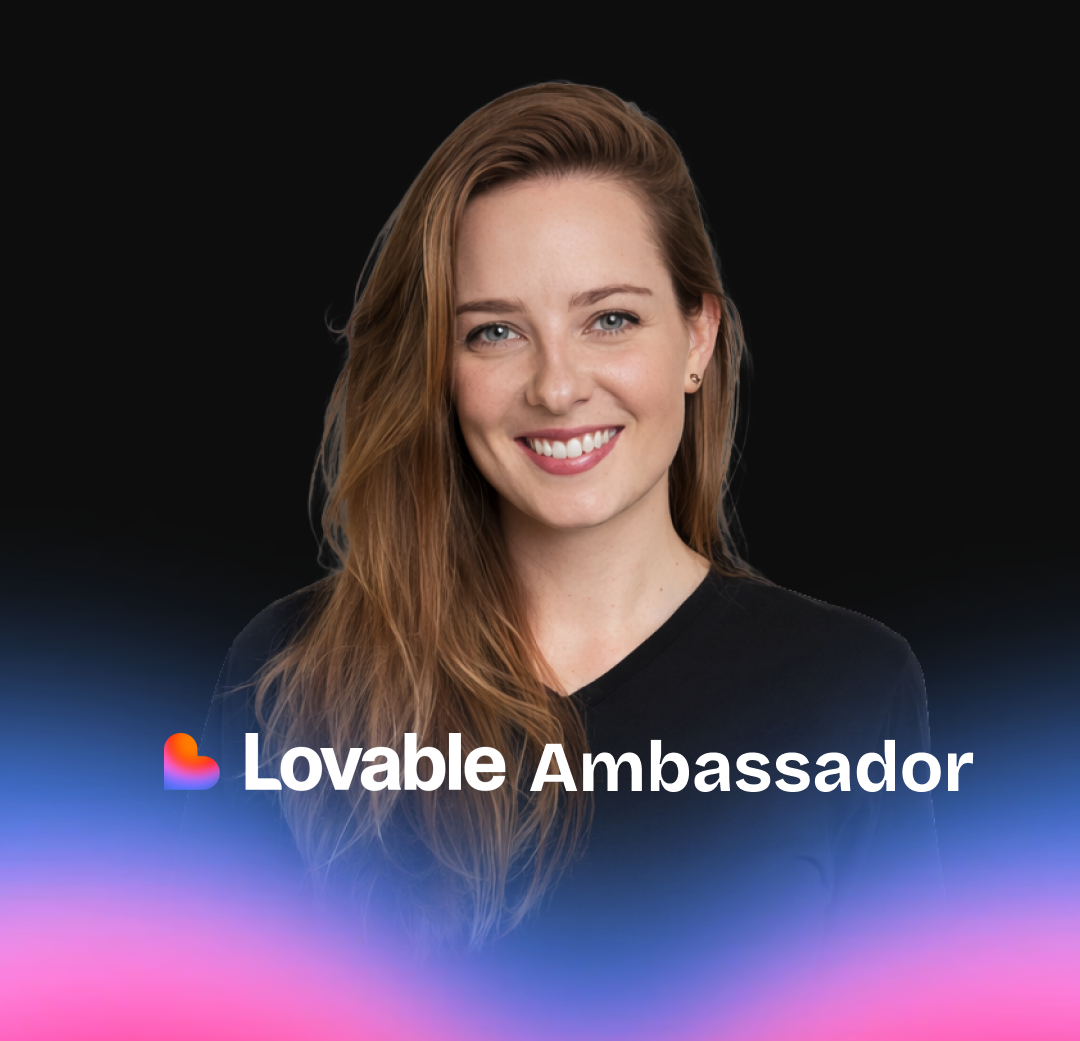
"I specialize in activation because after years of building products - and a stint as a founder myself - I've seen how big of an impact it has on everything else you do. Founders can burn a lot of money and effort fixing and launching things while their activation is quietly sabotaging their results."
Paulina Spaccarotella
Product-led Growth Advisor & Product Clarity Founder